U.S. practice finance · Updated October 29, 2026
Dental Practice Loans: Compare Financing Before You Sign
Start with the project, then compare written loan proposals. A startup, practice purchase and equipment replacement can require different funding structures. Bank of America and U.S. Bank both offer dedicated dental practice financing. Compare the amount actually available at closing, payments after any introductory period, fees, collateral and early-payoff terms—not just the advertised rate.
This guide is for dentists financing a U.S. business. It covers business borrowing rather than loans for a patient's dental treatment. Mediplaton publishes this guide from South Korea and does not accept U.S. loan applications or represent the lenders below.
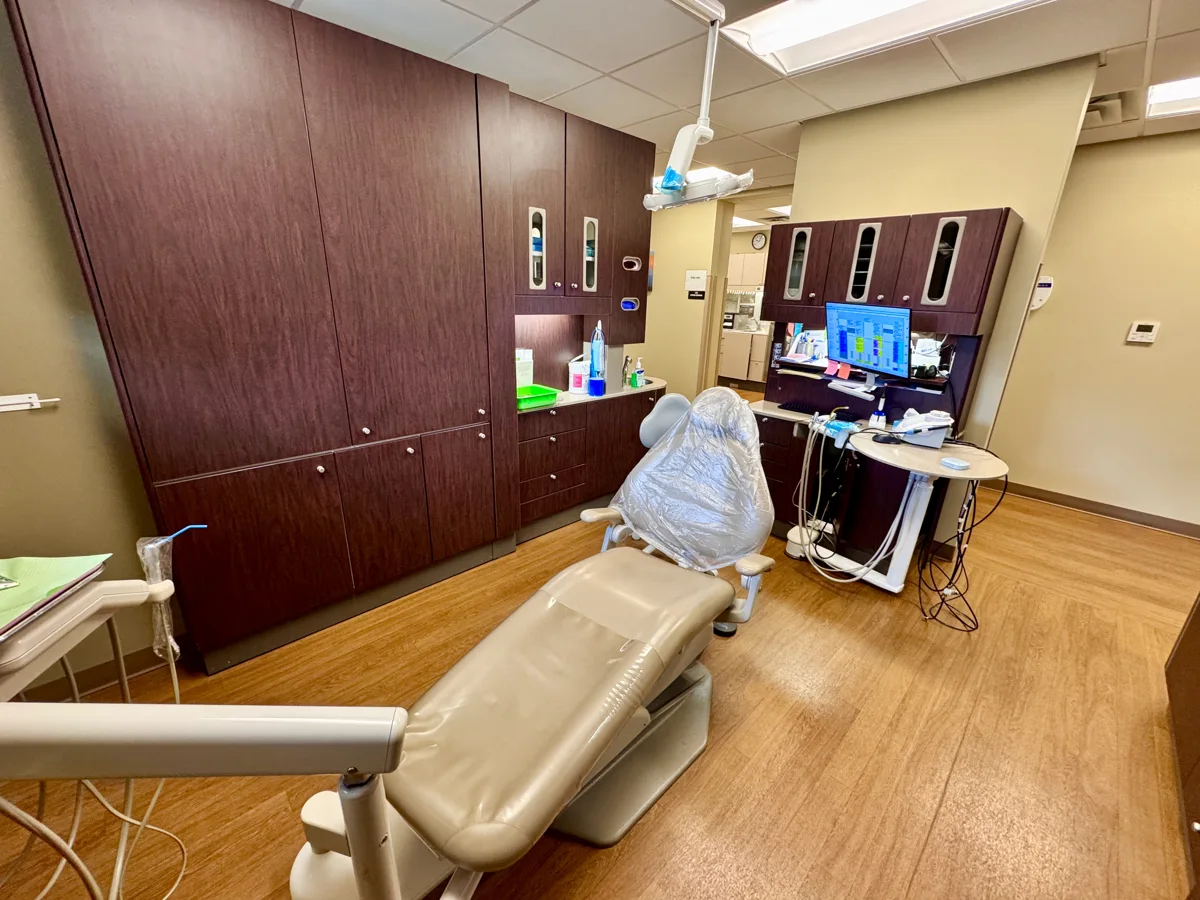
Two real dental practice financing options
The following is a comparison of public product descriptions checked on October 29, 2026. Neither page provides a universal numerical interest rate or an all-in fee quote. Obtain a proposal for your own project before deciding.
| Decision point | Bank of America dental financing | U.S. Bank dental practice financing |
|---|---|---|
| Published uses | Startup project costs, working capital, equipment, acquisition and expansion. | Practice ownership, equipment, expansion, refinancing and real estate. |
| Financing share | Up to 100%, depending on financing type and approval. | Up to 100% options, subject to qualifications and use of funds. |
| Repayment detail | Term and payment structure require an individual quote. | Practice terms up to 15 years; real estate up to 25 years; interest-only options up to six months. |
| Rate and fees | Rates and fees vary; request a current estimate. | No universal numerical rate or complete fee schedule on the reviewed page; request a quote. |
| Important follow-up | Ask about project disbursements, working capital and early payoff. | Ask about payment changes after interest-only months, security and prepayment terms. |
Sources: Bank of America dental financing and U.S. Bank dental practice financing. Published maximums are options, not approval promises. Neither lender is endorsed as the cheapest or best for every borrower.
Which financing structure fits your project?
Opening a new office
Build a payment calendar before requesting funds. List the lease deposit, construction milestones, equipment delivery, staff hiring and the cash needed before collections become reliable. Ask each lender which items it will fund, when funds become available and whether money goes to you or directly to vendors. A proposal covering the construction contract can still leave an operating cash gap.
Buying an existing practice
Separate the purchase price from transition cash. Review the seller's financial records with your advisers, document what assets and liabilities transfer, and ask whether a lease assignment or new lease is needed. Test a lower-collections case before relying on the seller's best month to cover your debt. Approval is not a substitute for legal and financial due diligence.
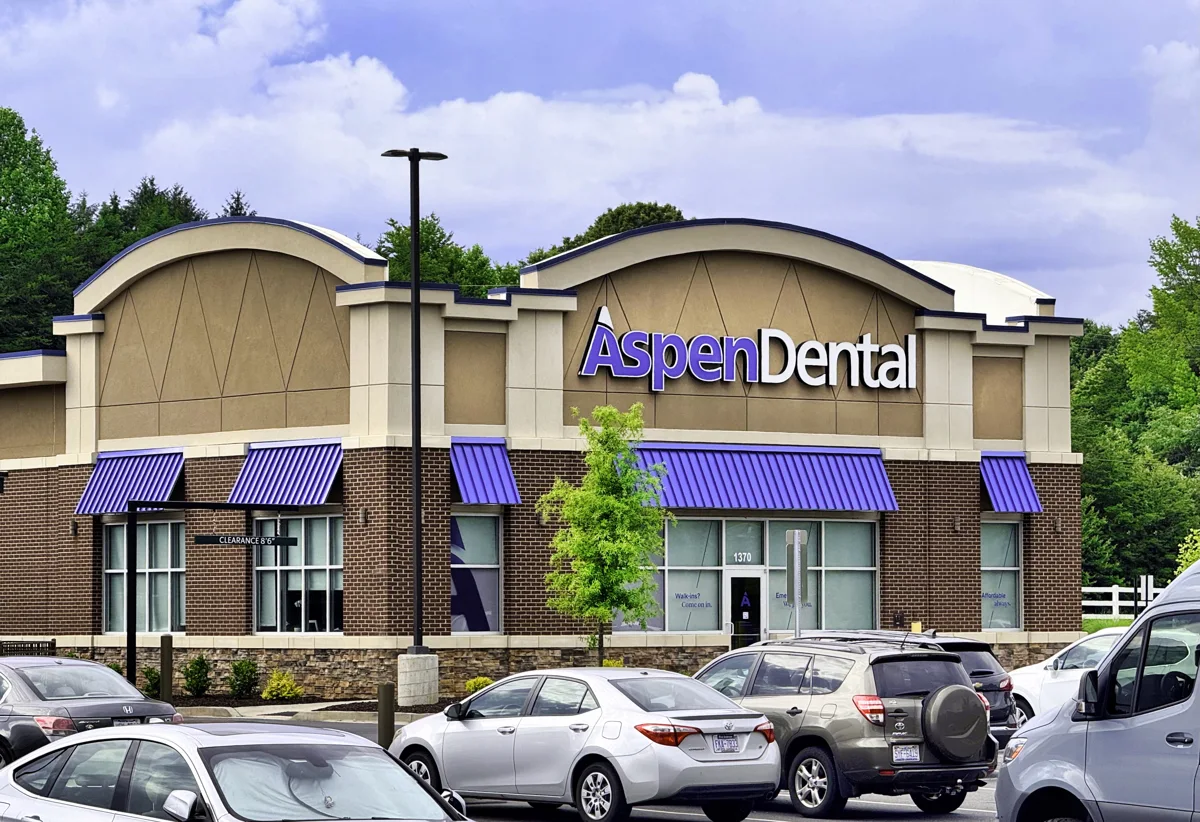
Replacing equipment
Request an itemized equipment quote with delivery, installation, training and service costs. Compare the loan's repayment schedule with the period you expect to use the equipment. Ask how existing liens, trade-ins and an early replacement would be handled. A longer term can reduce a scheduled payment while extending the time you remain in debt.
When to ask about an SBA 7(a) loan
The SBA's 7(a) program can support eligible U.S. businesses with working capital, equipment, real estate and ownership changes, with a maximum loan amount of $5 million. You apply through a participating lender. The SBA guarantee supports the lender; it does not cancel the borrower's repayment duty. Check current eligibility and permitted uses with the lender, including ownership requirements, rather than assuming professional licensing alone qualifies you. Official SBA 7(a) overview.
Ask the lender to explain why it is proposing conventional practice financing, SBA financing or a combination. Have it identify the fees, guarantees, collateral and closing requirements for that specific structure. Do not compare a real-estate loan and an equipment-only quote as if they fund the same project.
Estimate the payment using your actual quote
Enter the quoted principal, annual interest rate and amortization period. This estimates a fixed-rate, fully amortizing loan with monthly payments. It excludes fees, interest-only periods, balloons and variable-rate changes. It is not a lender offer.
Get both proposals onto the same comparison sheet
- Match the scope. Use the same purchase price, equipment list, working capital requirement and proposed closing date.
- Record every payment phase. Request the first payment, the payment after any interest-only phase, the amortization period and any balance due at maturity.
- Separate cash received from debt incurred. Identify fees paid upfront, deducted from proceeds or financed into principal.
- Check exit costs. Request the prepayment formula and an example based on your expected refinance or sale date.
- Document obligations. Have the lender identify required collateral, personal guarantees and ongoing account or reporting conditions.
Before you apply
Ask each lender for its current document list and acceptable file formats. As a preparation exercise, organize your project budget, equipment or purchase agreements, licensing information, existing debt schedule, available cash and business financial records. A startup should distinguish projections from actual operating results. Send sensitive records through the lender's verified secure process.
Common questions
Does “up to 100% financing” mean I need no cash?
No. Ask which project costs count toward the financed amount and what reserves, deposits, fees or other costs you must pay yourself. The final proposal controls.
Is a low payment enough to choose a loan?
No. Check the interest-only period, amortization, maturity balance and total contractual costs. Compare the payment you will face after the opening phase.
Where should I apply?
Use the official lender pages linked above to reach their practice-finance teams. This article contains ordinary source links and no affiliate application links. Mediplaton's Korean business-finance contact service is separate from these U.S. lenders.
Editorial information, not a personalized credit recommendation. Product details can change. Confirm the current written terms with the lender before signing.